
The 2026 1200-Z Industrial Stormwater Discharge Permit has been issued and is now in effect
The 1200-Z Industrial Stormwater Discharge Permit has been issued and is now in effect as of July 1, 2026!
Wondering what 1200-Z permit requirements have changed and how that will affect your facilities? Landau can help! Our stormwater engineers and compliance professionals have been tracking the permit changes and would like to help you navigate the new permit requirements, which include a Stormwater Pollution Control Plan (SWPCP) update. Below are a few of the big changes and key timelines.
- An updated Stormwater Pollution Control Plan (SWPCP) must be submitted to the Oregon Department of Environmental Quality (DEQ) or the permitting agent by November 30, 2026. Key SWPCP Updates include the following:
- Title page must now include the permit or Public Permit/License/Certificate (PLC) number and scheduled operating hours.
- Now include a SWPCP revision log that incorporates past revision sections and dates.
- Site maps must include a title, legend or key, north arrow, date, and indicate scale.
- New discharge points and monitoring points must use a distinct three-digit identification number.
- Now include a summary of implementation dates within the SWPCP of approved Tier 2 corrective action responses and approved background waivers.
- Visual observations have been moved from within the monthly inspection requirements into their own schedule in the SWPCP (Condition I, Schedule B.34).
- Fecal coliform and enterococcus sampling have been added to Category 5: 303(d) impaired waters conditions for new and existing dischargers.
- A new sector (Sector J) for co-located mineral mining has been added to Schedule E, which includes the sector-specific permit requirements. If a site conducts any mineral mining or quarrying as a co-located activity to a primary Standard Industrial Classification (SIC) code in Table 1, they must follow the requirements under Sector J.
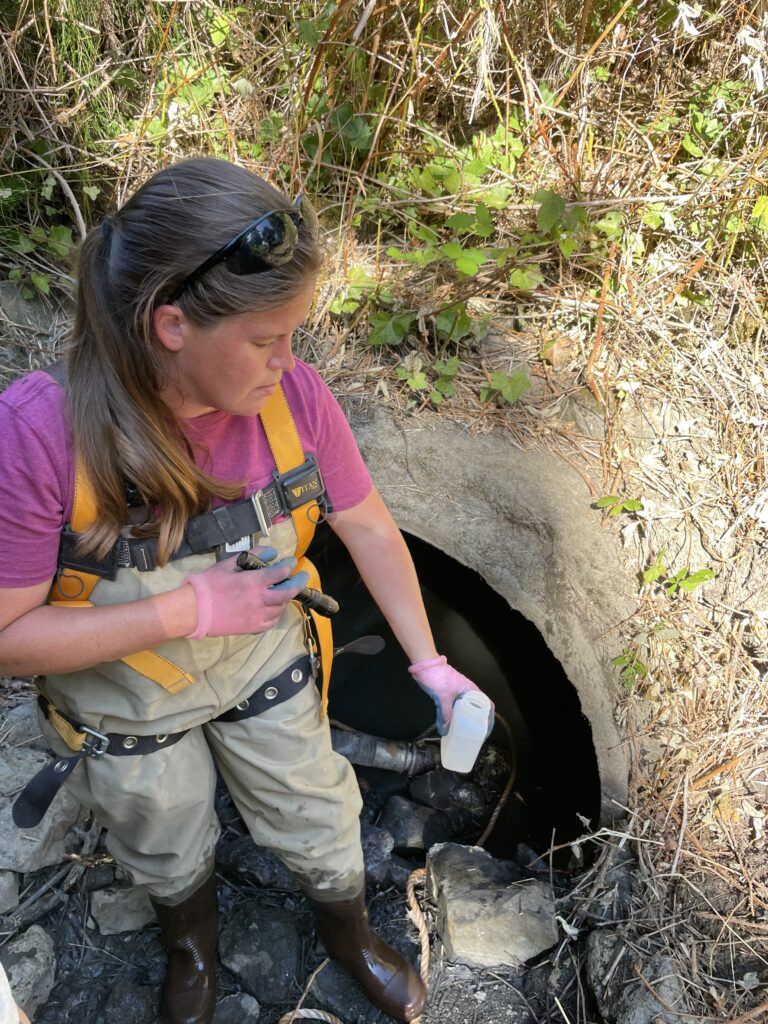
- There is a new definition of “scheduled operating hours”: the daylight time periods when the facility is staffed to conduct any function related to industrial activity, but excluding time periods where only routine maintenance, emergency response, security, and/or janitorial services are performed.
- “High pressure” washing of pavement and the vehicle exteriors has been clarified to exclude authorized non-stormwater discharge.
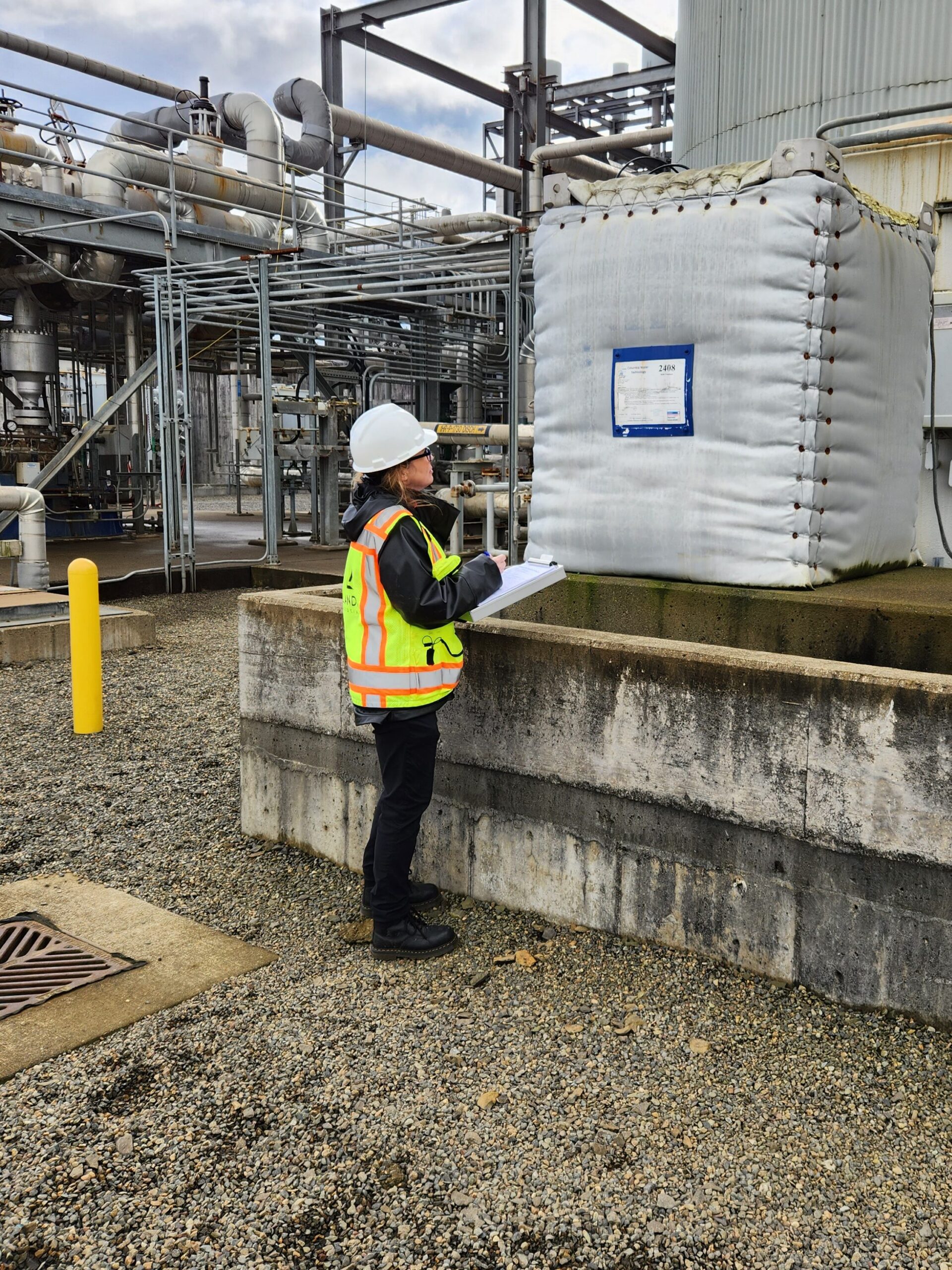
- Narrative technology-based effluent limits have been updated as follows:
- Facilities must include applicable requirements for reporting spills or unpermitted discharges to municipalities, local emergency services, and public health and drinking water supply agencies in their SWPCP.
- Employee Training Updates: Training must now include personnel who are trained to respond to a spill. Additional training must occur no later than 60 calendar days after the submittal of a revised SWPCP (due to operational or discharge modifications). A training log including employee names and titles must be maintained.
- Facilities must report emergency firefighting discharges to DEQ’s Oregon Emergency Response System (OERS) and the permitting agent (if applicable) immediately.
- Corrective actions have been updated as follows:
- The Tier 2 corrective action response report and the Tier 2 Mass Reduction Waiver must include operations and maintenance specifications.
- Language has been added and refined to clarify that Tier 1 corrective action responses should investigate the need for source control measures or removal.
- Language now clarifies that permittees can obtain certification for mass reduction measures that have been voluntarily installed, will be voluntarily installed during the 2026 to 2031 1200-Z permit term, or were installed pursuant to an approved Tier 2 mass reduction waiver during a previous 1200-Z permit cycle.
- Permit registrants who have an approved mass reduction measures certification during the 2021 permit cycle are not required to re-certify during the 2026 to 2031 1200-Z permit term.
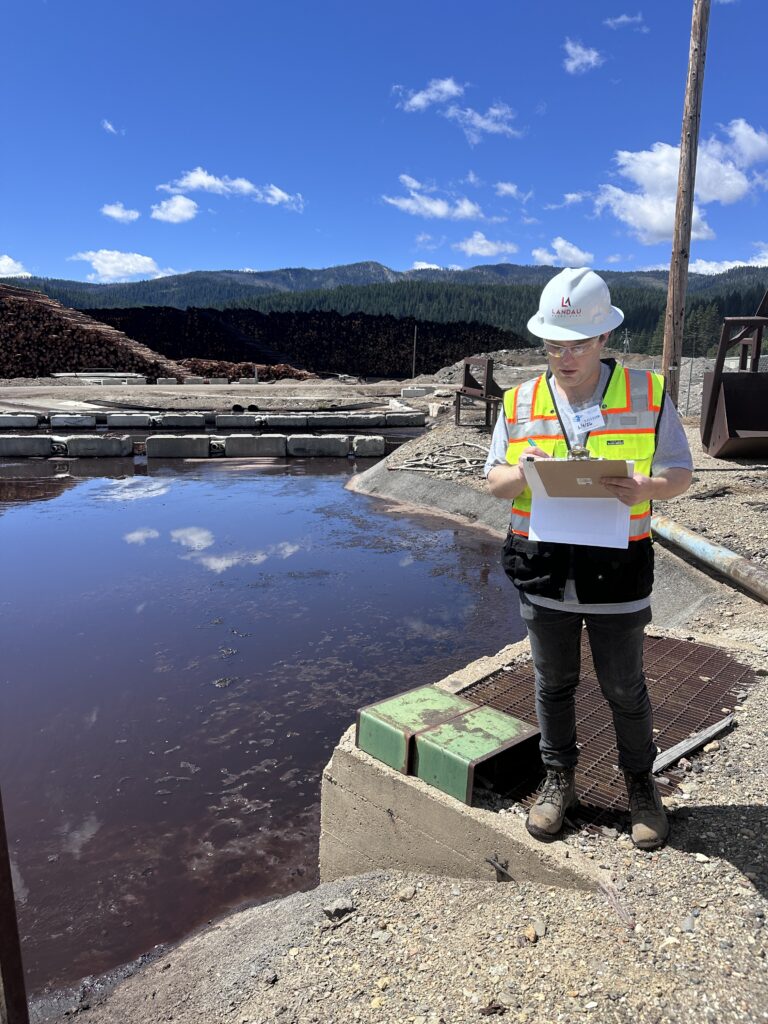
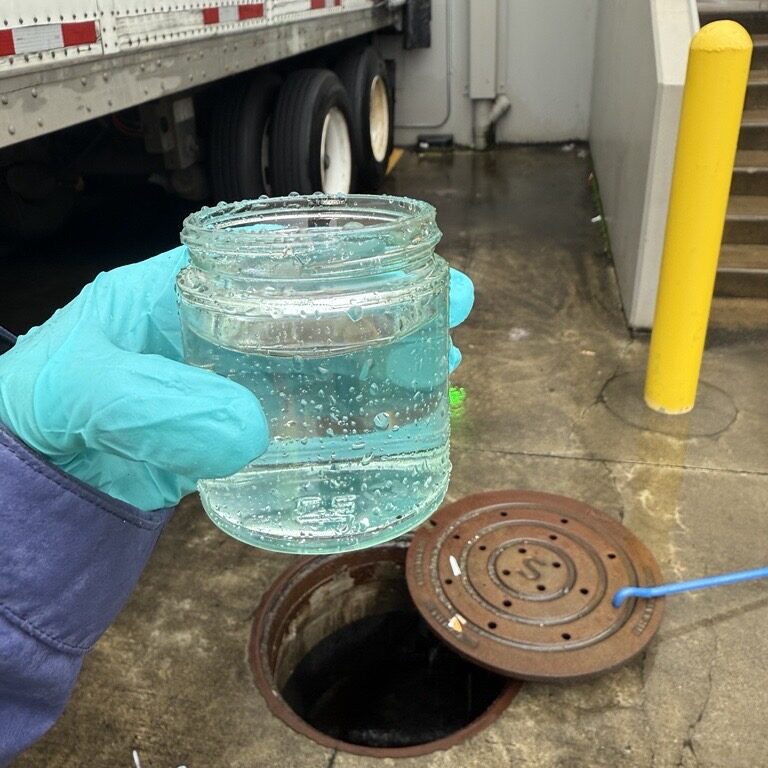
- Sampling and monitoring requirements have been updated as follows:
- Language has been added clarifying that first-time permit registrants who were granted coverage on or after November 15 are exempt from the geometric mean evaluation in the subsequent year’s August 15 discharge monitoring report.
- The 1200-Z now states that the permit registrant must fill out an accurate chain of custody.
- Language now clarifies that follow-up sampling (e.g., average monthly maximum or 30-day average calculations) is not required to be collected 14 days apart.
- Documentation and recordkeeping requirements have been updated as follows:
- Documentation must now be provided to DEQ or an agent within 10 business days from the date of request.
- Documentation is required to include a record of completion of housekeeping measures or required narrative technology-based effluent limits described in SWPCP, such as contracted sweeper trucks or storm sewer line cleaning.
Landau is here to help! Reach out to us for support with your 1200-Z Industrial Stormwater Discharge Permit.
Dan Joseph, PE | Associate Engineer
Landau Associates
Melody Kieneker, CHMM | Senior Scientist
Landau Associates
Holly Keane, PE | Senior Engineer
Landau Associates